
What Is Roman Urdu SEO and Why Does It Matter?
Roman Urdu SEO involves optimizing website content around Urdu phrases written using English letters. It focuses on how people naturally type Urdu words when searching online.
For example:
English: Best restaurant in Karachi
Urdu: کراچی میں بہترین ریسٹورنٹ
Roman Urdu: Karachi mein behtareen restaurant
Although these searches have similar meanings, users may choose different versions depending on their language preferences and typing habits.
Roman Urdu SEO helps Pakistani businesses understand these variations and create content that connects with local audiences. However, keyword selection should always depend on actual search behaviour rather than assumptions about search demand.
Understanding Different Search Queries in Pakistan
The same product or service can be searched in multiple ways. Understanding these differences helps businesses create more relevant website content.
Industry | English Search | Roman Urdu Search |
|---|---|---|
Clothing | Buy clothes online | Online kapray khareedna |
Restaurant | Best biryani in Karachi | Karachi ki achi biryani |
Education | Best academy for students | Students ke liye achi academy |
Healthcare | Skin specialist near me | Mere qareeb skin specialist |
Real estate | Houses for sale in Lahore | Lahore mein ghar khareedna |
Home services | AC repair service | AC repair karwana hai |
These examples show why Pakistani SEO should focus on search intent rather than simply translating English keywords.
How to Research Urdu and Roman Urdu Keywords
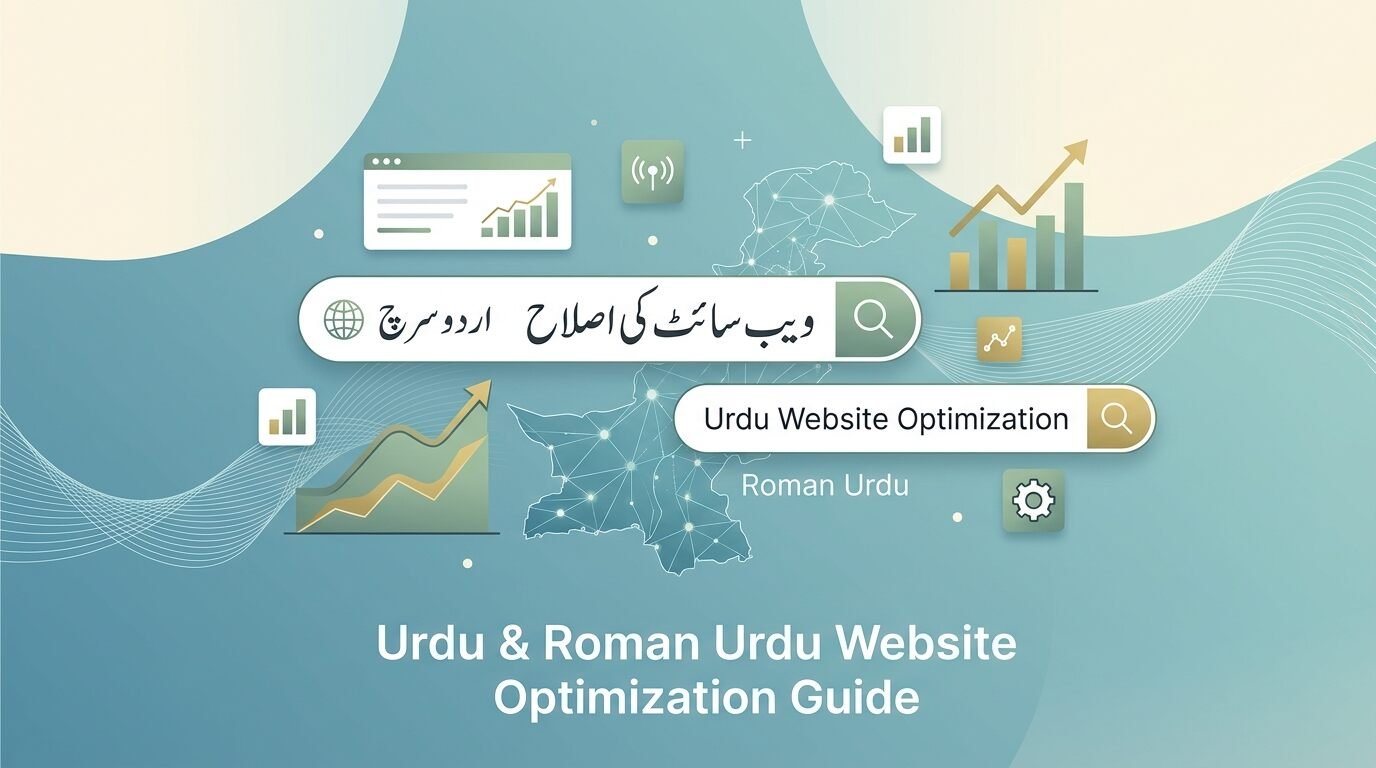
Effective keyword research starts with understanding what customers actually type into search engines.
1. Use Google Search Suggestions
Google Autocomplete can provide useful keyword ideas based on search activity.
For example, a clothing business can explore phrases such as:
Ladies suits in Pakistan
Ladies kapray online
Karachi mein ladies suits
Online kapray kahan se milain
These suggestions can help identify relevant content opportunities, although they do not guarantee measurable search volume.
2. Explore Google Search Console
Google Search Console helps businesses understand which queries bring visitors to their websites.
Look for Urdu-related phrases, Roman Urdu variations, and questions that receive impressions but relatively few clicks. These insights can help identify pages that need better content or optimization.
3. Understand Customer Language
Customer messages, WhatsApp enquiries, and social media comments are valuable sources of keyword ideas.
For example, a restaurant may receive questions like:
Family ke sath dinner kahan karein?
Karachi mein BBQ kahan milay ga?
Budget friendly restaurant near me?
These phrases reflect how customers naturally communicate their needs.
4. Use SEO Research Tools
Tools such as Google Keyword Planner, Semrush, and Google Trends can support keyword research. However, some Roman Urdu variations may have limited or unavailable search volume data.
Use these tools alongside real customer questions instead of depending entirely on estimated search volumes.
Where Should You Place Urdu and Roman Urdu Keywords?
Once you identify relevant keywords, use them naturally across important website elements.
Page titles and meta descriptions: Include primary keywords where they fit naturally. For example, an online clothing store can use “Women’s Clothing Online in Pakistan” as its page title.
Headings and website content: Include relevant language variations in useful sections. A restaurant can discuss popular BBQ options while naturally addressing questions such as “Karachi mein family restaurant kahan hai?”
URLs: Keep URLs short and descriptive, such as:
example.com/ladies-clothing-pakistan/
Image alt text: Describe images accurately, such as “Printed ladies lawn suit in Pakistan.” Avoid using alt text simply to repeat keywords.
The goal is to make website content understandable to both visitors and search engines.
Creating Multilingual Content Without Keyword Stuffing
Adding Urdu and Roman Urdu phrases to every paragraph will not automatically improve rankings. Content should remain useful, readable, and relevant.
For example, an online clothing store can create detailed product pages with descriptions, sizes, prices, and delivery information. It can also answer common customer questions such as:
Kya Karachi mein cash on delivery available hai?
Lahore delivery kitne din mein hogi?
Kya is design mein different sizes available hain?
Businesses should avoid creating multiple pages with nearly identical content just to target different keyword variations. Instead, group related searches around one useful page when they share the same intent.
Important Multilingual SEO Practices
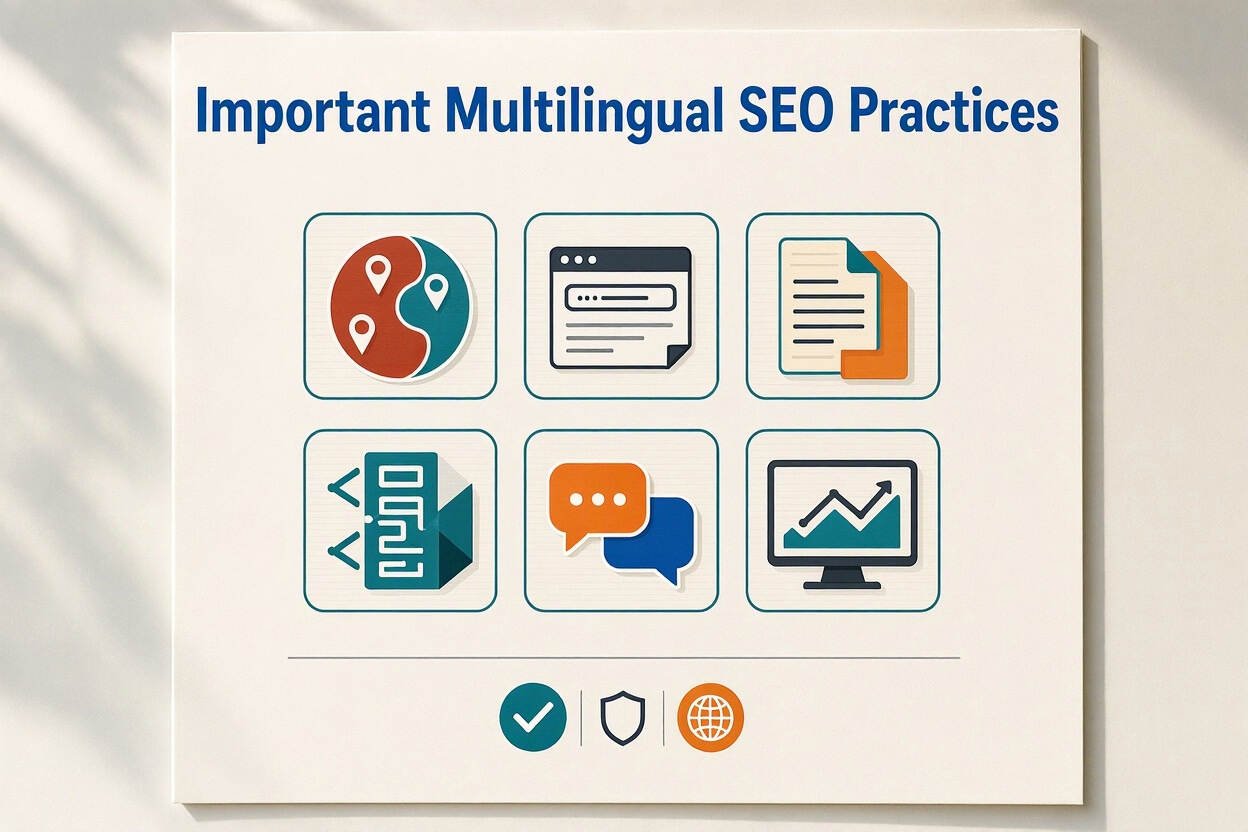
Businesses publishing complete English and Urdu website versions should follow proper multilingual SEO practices.
1. Create Separate Language URLs
Use separate URLs for different language versions.
example.com/en/for English.example.com/ur/for Urdu.
This helps search engines identify the language of each page.
2. Add Language Attributes
Use the appropriate HTML language attribute.
For Urdu:
<html lang="ur">
For English:
<html lang="en">
3. Implement Hreflang
Hreflang helps search engines understand alternative language versions of a page.
For example:
<link rel="alternate" hreflang="en" href="https://example.com/en/" />
<link rel="alternate" hreflang="ur" href="https://example.com/ur/" />
Make sure language versions reference the correct corresponding pages.
Common Mistakes Pakistani Businesses Should Avoid
When targeting multilingual searches, avoid these mistakes:
Directly translating English content without considering local expressions.
Repeating Urdu and Roman Urdu keywords unnecessarily.
Publishing duplicate pages for minor spelling variations.
Ignoring mobile-friendly website design.
Using incorrect language attributes or hreflang settings.
Targeting broad keywords without considering local search intent.
A good multilingual strategy should improve the visitor experience rather than make website content complicated.
How Professional SEO Helps Small Businesses
Multilingual optimization works best when combined with technical SEO, local keyword research, useful content, and location-based optimization.
For example, a Karachi clothing store can benefit from optimized product descriptions, local landing pages, and relevant keyword research. Similarly, an educational institute can create useful pages about admissions, courses, and fee structures using language familiar to parents and students.
Choosing the best seo services in Pakistan for small business should involve looking beyond ranking promises. A reliable agency should understand your industry, research your audience, and develop practical strategies for sustainable growth.
At Digilvy, SEO and digital marketing strategies focus on improving website visibility through relevant keyword research, content planning, and website optimization. Understanding how Pakistani audiences search in different languages is an important part of reaching the right customers.
Conclusion
Pakistani customers search online using English, Urdu, and Roman Urdu. Businesses that understand these differences can create more relevant content and connect with audiences in their preferred language.
From researching Urdu keywords to implementing Roman Urdu SEO and multilingual website structures, every step should focus on genuine customer needs.
A well-planned Pakistani SEO strategy combines language optimization, local visibility, useful content, and technical improvements to help businesses build a stronger online presence.